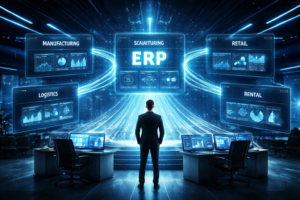
Selecting the right ERP system in 2026 is no longer just a technology decision—it’s a strategic move that directly impacts how efficiently a business operates and scales. With a wide range of solutions available, the challenge is not finding an ERP, but choosing one that truly aligns with your industry, processes, and long-term goals.
The first and most critical factor is industry fit. Every business has unique workflows—whether it’s manufacturing production cycles, logistics coordination, rental asset tracking, or service-based operations. A system that understands and supports these processes out of the box reduces implementation complexity and ensures faster adoption. Generic platforms may require heavy customization, while industry-focused ERP solutions are designed to match real-world operations from day one.
Scalability and integration are equally important. As businesses grow, their systems must evolve with them—handling increased transactions, users, and operational complexity without performance issues. The right ERP should also integrate seamlessly with existing tools and future technologies, ensuring a connected ecosystem rather than isolated systems. Features like mobility, real-time dashboards, and automation are no longer optional—they are essential for staying competitive.
Finally, businesses must evaluate total value, not just cost. The right ERP delivers measurable returns through improved efficiency, reduced errors, better decision-making, and enhanced customer experience. It should provide clarity across operations, finance, and analytics—enabling leaders to make informed decisions with confidence. In 2026, choosing the right ERP means choosing a system that not only supports your business today, but also prepares it for the future.